
CFD CONSULTING & ENGINEERING SUPPORT
CFD support for models that need to work.
Build a new simulation, diagnose a difficult one, or independently review whether the result is strong enough to support an engineering decision.
Model developmentTroubleshootingIndependent reviewThermal & CHTTurbomachineryMultiphase
On this page
START WITH YOUR SITUATION
What do you need the CFD work to do?
Choose the path closest to your current problem. The detailed methodology can be defined after the engineering objective is clear.
Develop a CFD model or strengthen an existing setup.
Define the physics, boundaries, mesh, near-wall treatment, numerics, monitors and verification plan needed for a defensible simulation workflow.
Discuss model development →Find out why a simulation is unstable, suspicious or difficult to trust.
Diagnose divergence, reverse flow, poor conservation, y+ problems, mesh sensitivity, timestep effects, pressure/temperature anomalies and weak convergence evidence.
Request a technical review →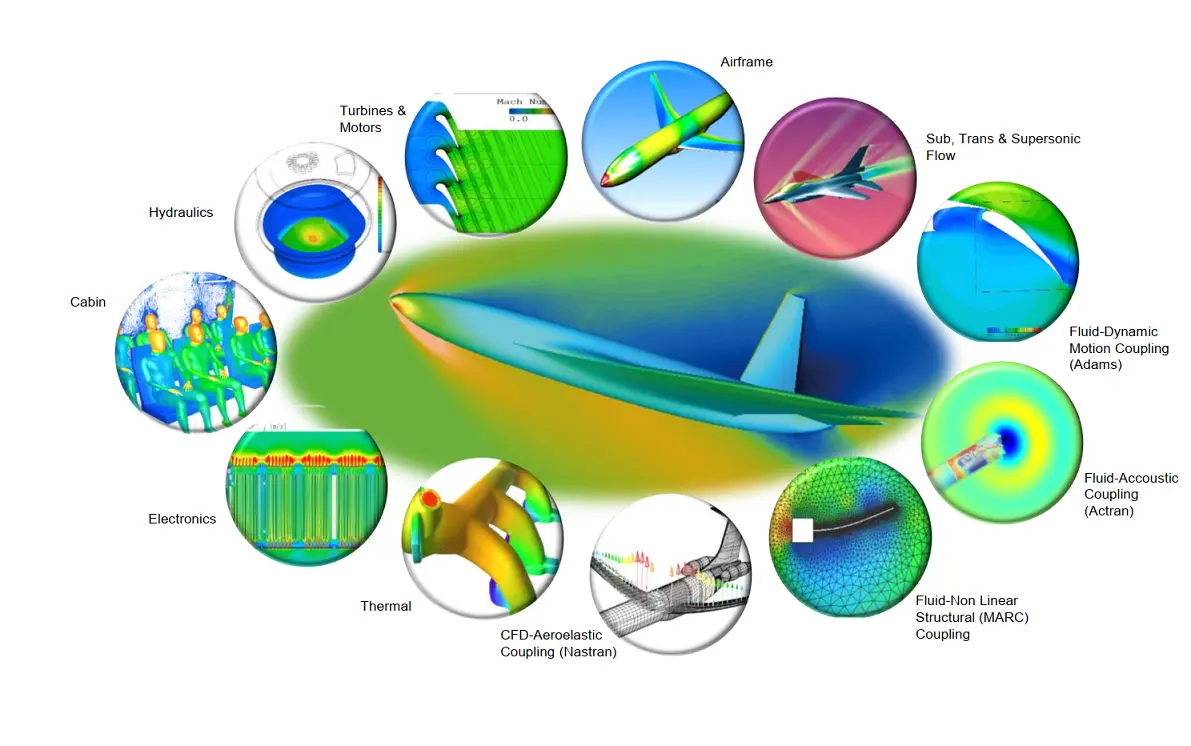
Turn simulation results into engineering evidence.
Challenge assumptions, plan sensitivities, verify conservation and numerical robustness, interpret the flow or thermal physics, and clarify what the CFD can—and cannot—support.
Discuss the engineering decision →SPECIALIST CFD APPLICATIONS
Go directly to the application closest to your problem.
These pages explain typical modelling scope, technical checks and possible deliverables without requiring you to expose confidential project information.
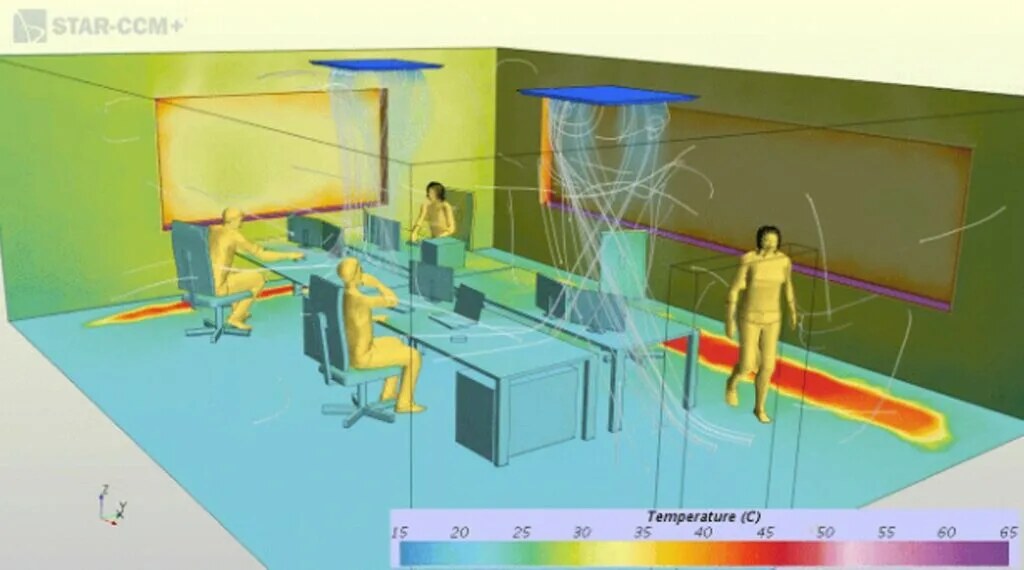
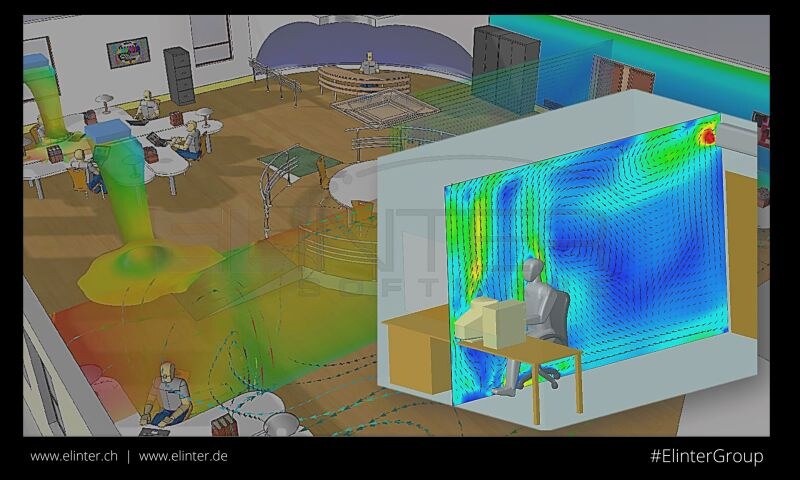
Thermal management & HVAC
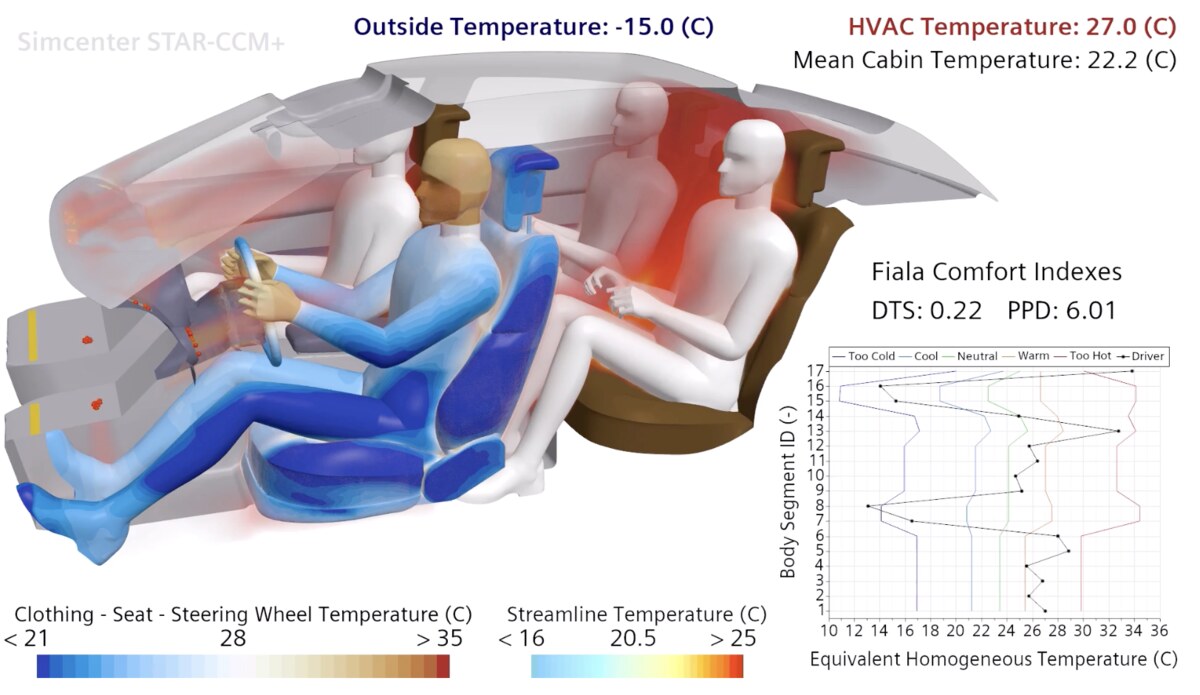
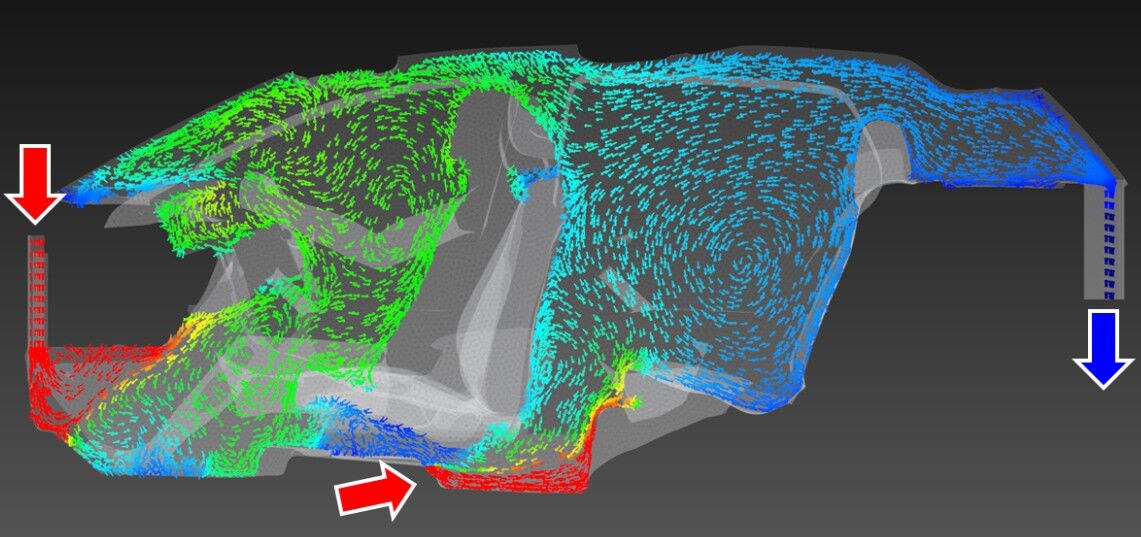
Cabin airflow, climate distribution, transient thermal behaviour and coupled thermal-fluid workflows.
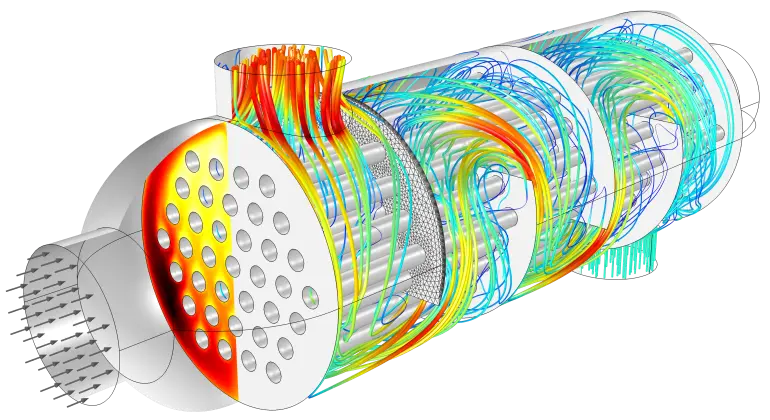
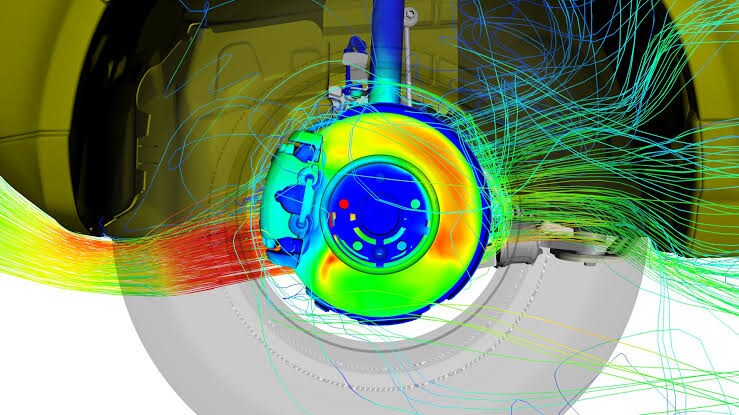
Cooling & conjugate heat transfer
Fluid-solid thermal interaction, wall heat flux, cooling passages and temperature-driven decisions.
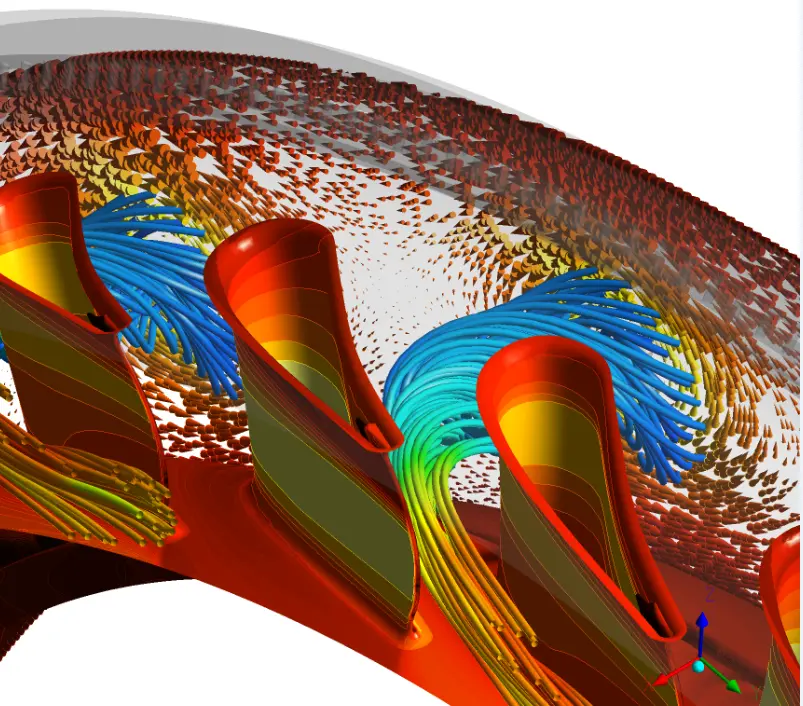
Gas turbines & rotating flow
Blade passages, rotating interfaces, secondary/cooling flows and near-wall modelling.
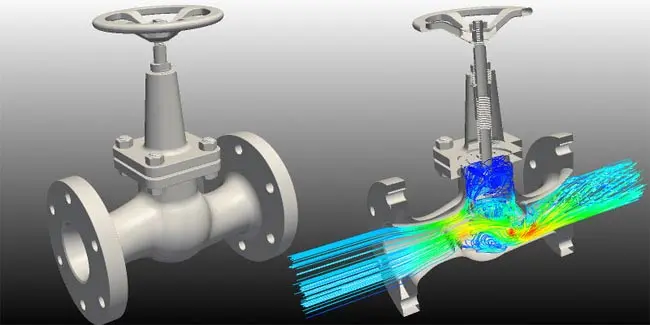
Pressure loss & flow distribution
Ducts, manifolds, recirculation, flow splits, narrow passages and local losses.
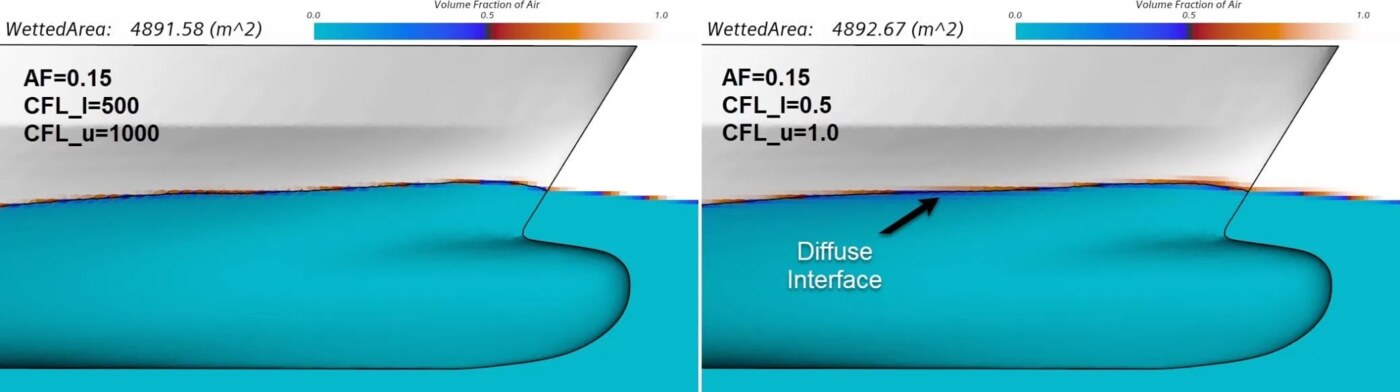
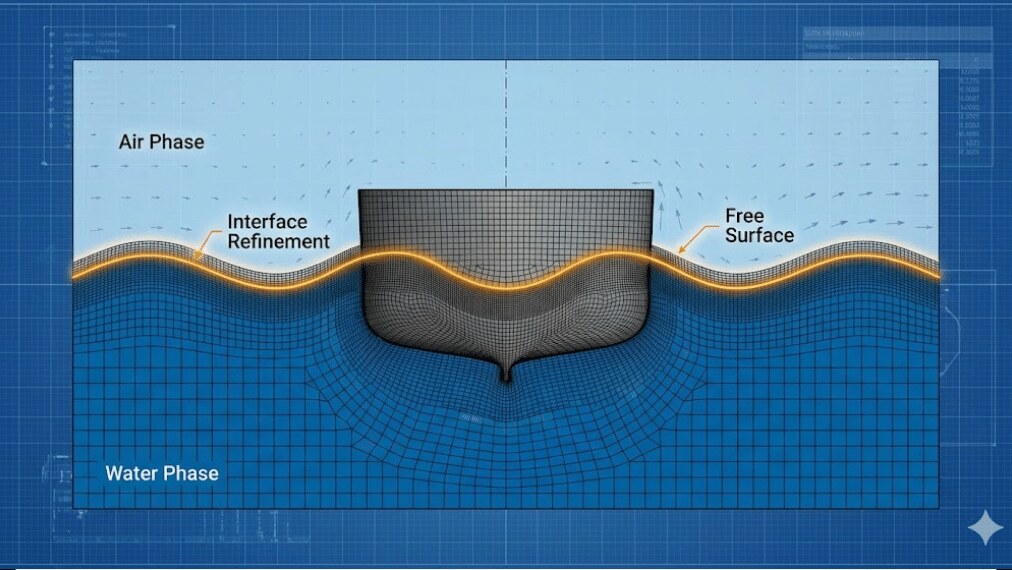
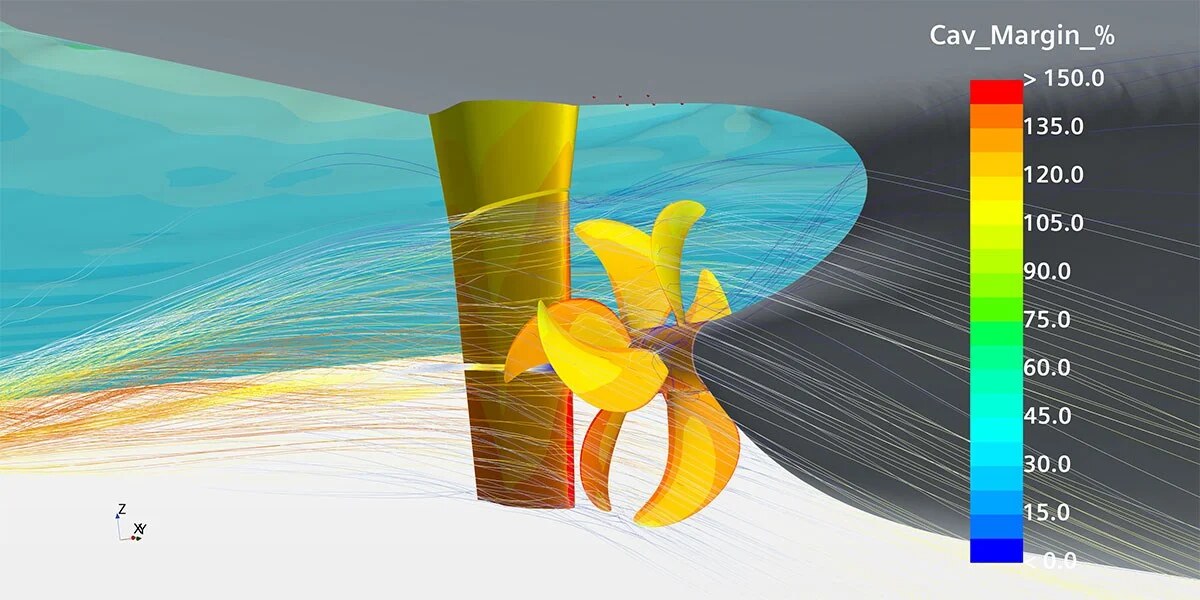
VOF, free surface & transient interfaces
Waves, sloshing, moving interfaces, timestep control and interface resolution.

Troubleshooting & independent review
Convergence, mesh/prism quality, conservation, y+, outlet sensitivity and result credibility.
Also available:Complete CFD research & journal publication support →
HOW THE WORK PROCEEDS
Start small. Increase the scope only when it is useful.
A CFD problem can begin as a focused review and expand into hands-on modelling only when the evidence shows that additional work is justified.
01
Define the engineering question
Clarify what must be predicted, compared or understood and what decision the result needs to support.
02
Review the available evidence
Geometry, operating conditions, assumptions, mesh, physics, solver behaviour and existing results.
03
Fix the dominant risk
Target the modelling or numerical issue with the largest effect before broad trial-and-error changes.
04
Verify and interpret
Check conservation, sensitivity and physical plausibility, then turn the result into an engineering conclusion.
Rapid reviewFocused technical assessment
TroubleshootingResolve a defined bottleneck
Hands-on supportBuild or repair the CFD workflow
Method developmentCreate a repeatable engineering process
WHAT YOU RECEIVE
Useful engineering evidence, not a fixed report template.
The exact output depends on the scope. A focused review may produce a concise action plan; a larger engagement can include a developed workflow and engineering interpretation.
Findings & priorities
The important modelling risks, likely root causes and recommended actions in priority order.
Methodology guidance
Physics, mesh, boundaries, solver strategy, monitoring and verification recommendations relevant to the case.
Reviewed or developed workflow
When included in scope, hands-on support for the model, iteration strategy, analysis and repeatability.
Engineering interpretation
What the CFD evidence supports, what remains uncertain and what should be tested or changed next.
START WITH NON-CONFIDENTIAL CONTEXT
Describe the problem first. Share protected files only after the exchange route is agreed.
For the first contact, the engineering question, software, physics, current simulation status, observed problem and desired output are usually enough to determine technical fit and the next useful step.
PUBLIC RESOURCES BEFORE CONSULTING
Use the free engineering resources to narrow the problem before requesting support.
A better-defined question produces a faster consulting review. Use the calculators for first-order checks and the Technical Cases for structured diagnosis before sharing model-specific context.